Heat pump quotes for Inverness and the Highlands

Quick answer

Much of the Highlands is off the gas grid, with homes on oil, LPG or storage heaters, making them strong candidates for a heat pump. Cold-day design temperatures are lower here than further south, which affects sizing. Remote properties need extra planning for access and electrical supply, all covered in the survey.

The Highlands is a vast region with widely scattered housing, a cold climate and many off-grid homes. A heat pump can replace oil, LPG or storage heating effectively, but the design must account for the local cold-day temperature, exposure and access.

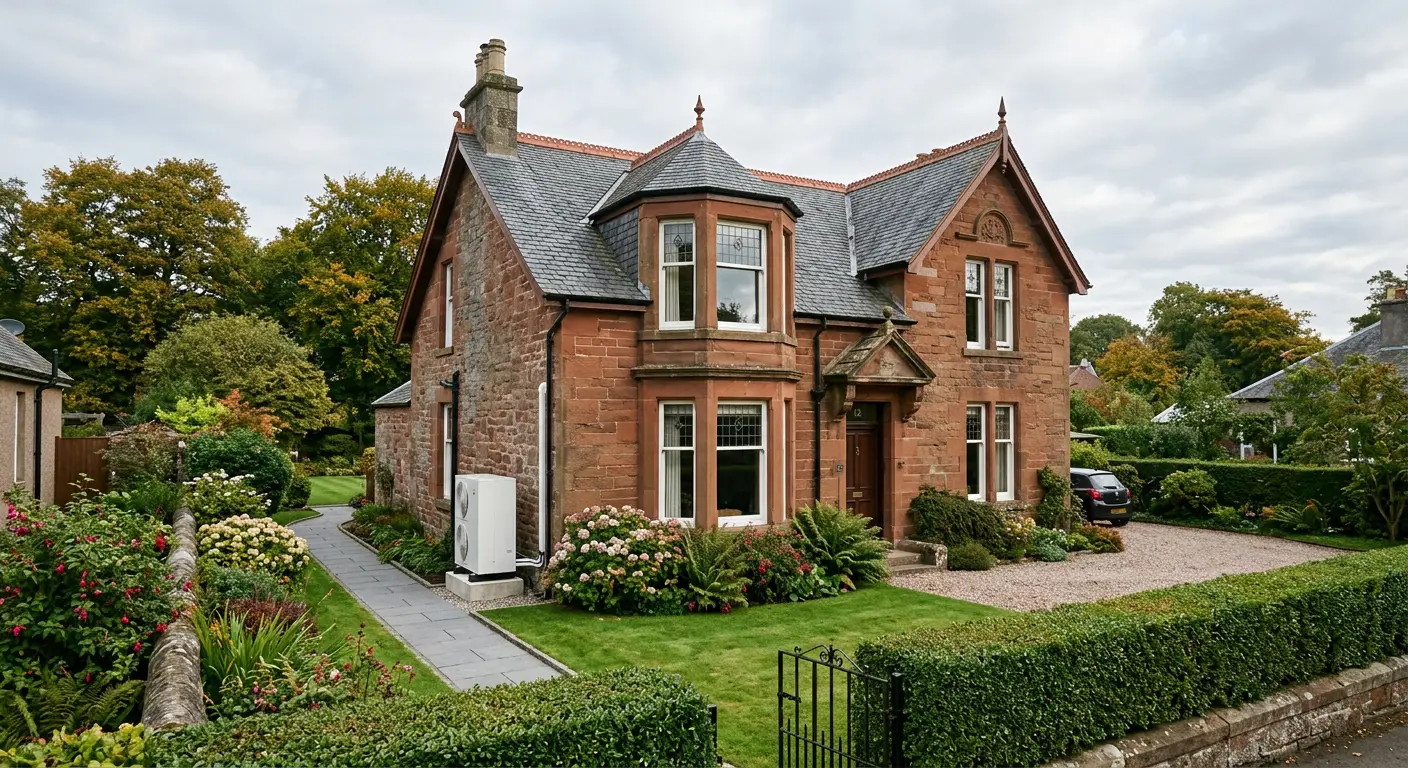
Quaint white cottage in Kingshouse, Scotland, with misty Highland background, representing Inverness and Highlands properties

What matters for a heat pump in Inverness & Highlands

Housing stock and insulation

Inverness has a mix of granite and harled housing, from Victorian terraces near the city centre to modern estates in Culloden and DruidsTemple. Further out, the housing becomes increasingly rural: croft houses, white-harled cottages and farmsteads spread across Sutherland, Ross-shire and Lochaber. Many of these properties have solid stone walls, single glazing in some cases, and loft insulation that varies widely. The surveyor measures each room and checks the building fabric before any heat pump is sized.

Off-gas-grid homes

The majority of the Highlands is off the gas grid. Homes are typically heated by oil, LPG, coal or electric storage heaters. These properties are often the strongest candidates for a heat pump in Scotland, because the running cost comparison against oil and LPG is very favourable. The survey covers fuel tank decommissioning, the electrical supply capacity and whether the incoming supply needs to be upgraded for the heat pump load.

Cold-climate and exposure

The Highlands has some of the lowest cold-day design temperatures in Scotland, particularly in glens and inland areas like Aviemore and Kingussie. Coastal areas like Nairn and Fort William are slightly milder but face wind and salt exposure. The heat loss calculation uses the correct local design temperature, and the outdoor unit should be sited with shelter from the worst weather. For exposed sites, a unit with suitable protection and corrosion resistance may be specified.

Access and remote locations

Many Highland homes are accessed by single-track roads, ferries or long drives, which affects installation logistics. Scaffolding, plant delivery and the number of days on site may all be affected. The surveyor checks access during the visit, and any additional costs for difficult access are listed on the quotation rather than discovered on the day. For island communities, ferry schedules and weather windows are considered before work is booked.

Questions about this page

Is a heat pump suitable for an off-grid Highland home?

Yes, off-grid homes on oil, LPG or storage heaters are often the strongest candidates for a heat pump in Scotland. The running cost comparison is very favourable. The survey covers fuel tank decommissioning, electrical supply and outdoor unit siting.
How does the Highland climate affect heat pump sizing?

The Highlands has lower cold-day design temperatures than the Central Belt, so the heat pump may need to be larger. The surveyor uses the correct local design temperature in the heat loss calculation. Coastal areas like Nairn are slightly milder but face wind and salt exposure.

Can you install a heat pump on a remote Highland croft?

Yes, but access matters. Single-track roads, ferries and long drives can affect installation logistics. The surveyor checks access during the visit, and any additional costs for difficult access are listed on the quotation rather than discovered on the day.

Which electricity network covers the Highlands?

SSEN covers the Highlands and Islands. Your installer notifies them before the heat pump is connected. Remote properties may need an incoming supply upgrade, which is identified at survey stage.

Do I need planning permission for a heat pump in the Highlands?

Many rural Highland properties are permitted development, but listed croft houses, conservation areas in Inverness and sites in national parks may require a planning application. The surveyor checks your address and tells you in writing.

Reviewed by the Scottish Energy Efficiency team.

Ready to get your heat pump quotation?

Fill in the form and we will send you a complete quotation — one that passes the six-line test. No obligation, no sales calls, no pressure.

Request your quotation

All fields are required.

Enquiry type

By submitting this form you agree to be contacted by Heat Pump Quotes Scotland, a trading name of Scot Energy Efficiency Ltd (company number 17408629), about your enquiry.

Privacy Policy · Cookie Policy

Last updated: 28 October 2026